
Cross-border transactions of goods and services generally consist of imports and exports, hence the term “import and export trade.” International trade is also known as world trade. Import and export trade can regulate the utilization of domestic production factors, improve international supply and demand, adjust economic structures, and increase fiscal revenue.
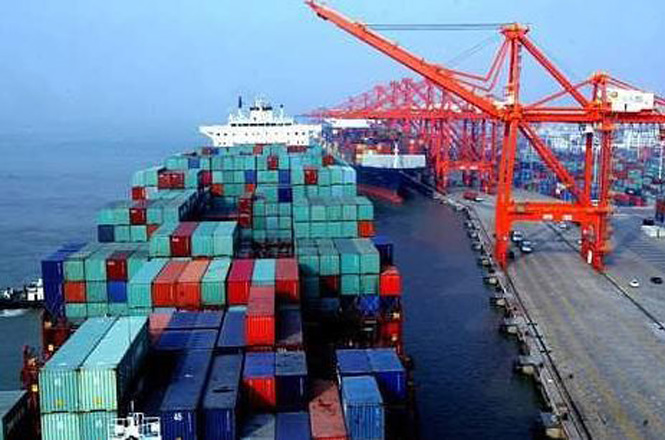
In recent years, trade relations between China and the United States have remained tense, with rare earths, as a strategic resource, becoming a key bargaining chip in the competition between the two sides. The United States is one of the world’s largest consumers of rare earths, with strong demand from its high-end manufacturing sector. However, its domestic rare earth smelting and separation capacity is severely insufficient, and it relies on imports for approximately 80% of its rare earth products, a large portion of which comes from China. In the course of trade friction, the United States has attempted to reduce its dependence on Chinese rare earths by imposing tariffs and promoting the diversification of its rare earth supply chain.
Turkey travel packages Fantastic Turkey tours! The blend of European and Asian cultures was unique and intriguing. https://www.dscc.lk/?p=2878
Interesting take on import/export dynamics. I work in a beauty-focused growth space and think about how global supply chains affect our product availability and pricing. Suplery can be a game changer for beauty pros dealing with cross-border stock, thanks to features like centralized product data and real-time stock management. In Suplery we aim to streamline inventory + orders with a built-in shop, plus wholesale pricing—great for salons, spas, and clinics that need reliable sourcing. If you’re into efficient stock takes and brand communication, this platform could save time and boost margins. Consider checking how a single dashboard for suppliers could simplify international procurement for your team.